Anantapur, Andhra Pradesh: It’s a traditional Indian cinema fight-in-the-wasteland scene. Against the heritage of dunes and depressions with a tiny sprinkling of scrub flora, the hero rises from the burning sands of a barren wilderness to overcome the terrible guys to a pulp. Adding plenty of warmth and dirt to that already bestowed by way of nature, he brings the film to a glad end (except for the villains). Countless Indian movies have staged those scenes in some desolate wilderness of Rajasthan. Or even in the ravines of the Chambal valley in Madhya Pradesh.
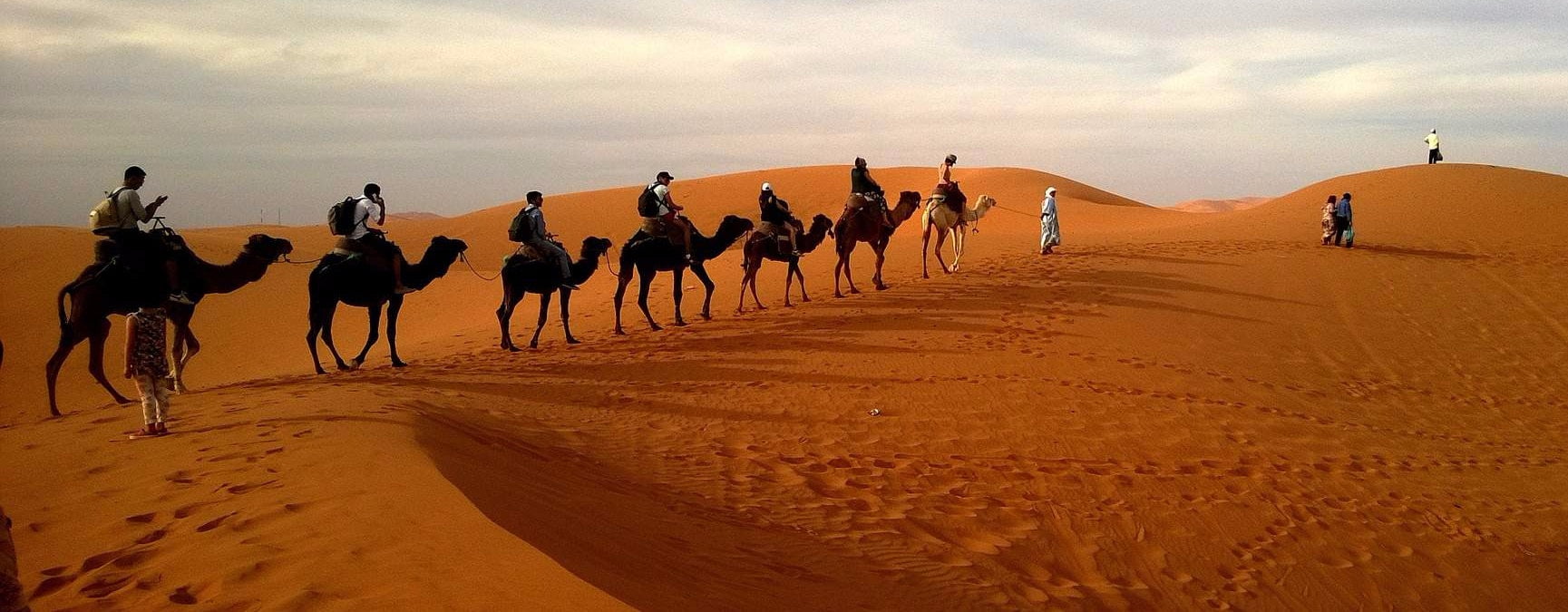
This arid, barren region scene (see video clip) used no places from Rajasthan or the Chambal. It turned into a shot deep in the southern peninsula, in Andhra Pradesh’s Rayalaseema place. This unique patch of some 1,000 acres in Anantapur district – as soon as included by way of millet cultivation – has over many years come to be an increasing number of a barren region. That has been driven by frequently paradoxical factors – and created the type of area that filmmakers send out area scouts to look for.
In Dargah Honnur village, where the predominant landowners of this patch live, it became difficult to get everybody to accept as true with we were no longer movie location scouts. “Which film is this for? When is it coming?” become both an explicit query or one on their minds. You may see a quick ebbing of interest with a few when they found out we were journalists.
The Telugu filmmakers who made the region well-known – Jayam Manade Raa (Victory is Ours) – shot the combat scenes between 1998 and 2000. Like any diligent business filmmakers could, they tinkered with their ‘set’ to decorate the barren region effect. “We needed to uproot our crop (for which they compensated us),” says Pujari Linganna, 45, whose family owns the 34 acres in which the combat turned into the shot. “We also eliminated some vegetation and small bushes so it’d look more real.” Deft camerawork and the shrewd use of filters did the rest.
If the makers of Jayam Manade Raa had been capturing a 20-years-after sequel these days, they could do plenty, much less. Time and tormented nature, and relentless human intervention, have affected all the desert enhancements they might ask for.
But it’s a curious desert patch. There remains cultivation – because there may still be groundwater very near the surface. “We hit the water on this patch at simply 15 ft underneath,” says P. Honnureddy, Linganna’s son. In a whole lot of Anantapur, borewells received’t locate water earlier than 500-600 ft. In components of the district, they have breached the 1,000-foot mark. Yet here is water gushing out of a four-inch borewell as we communicate. That an awful lot of water, so near the surface, in this hot and sandy patch?
“That entire vicinity lies in a prolonged riverbed,” explains Palthuru Mukanna, a farmer from a close-by village. What river? We can see not anything. “They built a dam [around five] a long time ago, some 25-30 kilometers from Honor, at the Vedavathi river that ran via here. Our stretch of Vedavathi (a tributary of the Tungabhadra – also called the Aghari) genuinely dried up.”
“That is certainly what happened,” says Malla Reddy of the Ecology Centre (of Anantapur’s Rural Development Trust) – few understand this region as well as he does. “And the river may be dead, but, over centuries, it helped create an underground reservoir of water this is now being relentlessly mined and extracted. At a rate which signals a coming disaster.”
That disaster gained’t last long in coming. “There changed into rarely a unmarried bore twenty years in the past,” says V.L. Himachal, 46, a farmer with 12.Five acres inside the desertified area. “It was all rainfed agriculture. Now there are among 300-four hundred borewells in about 1,000 acres. And we strike water via 30-35 ft, sometimes higher.” That’s one borewell to every 3 acres, or much less.
That’s high density, even for Anantapur, which, as Malla Reddy factors out, “has close to 270,000 borewells, even though the wearing potential of the district is 70,000. And nearly half this massive variety is dry this 12 months.”
So what are the borewells in those badlands for? What’s being cultivated? However, what stands proud within the patch we’re exploring isn’t always even the district’s all-pervasive groundnut crop, however bajra. However, that millet is cultivated right here for seed multiplication, not for intake or the market for seed organizations who’ve gotten smaller the farmers for this job. You can see male and lady flowers laid out smartly in adjoining rows. The businesses are creating a hybrid from two distinctive lines of bajra. This operation will take a extraordinary deal of water. What’s left of the plant after seed extraction will at satisfactory serve as fodder.
“We get Rs three,800 in line with quintal for this seed replication work,” says Pujari Linganna. That appears low, given the labor and care involved – and the reality that the companies will sell the seeds of the one to the equal elegance of farmers at very excessive fees—another cultivator in this patch, Y.S. Shantamma says her circle of relatives receives Rs 3,seven-hundred a quintal.
Shantamma and her daughter Vandakshi say the problem of cultivating here isn’t water. “We even get water within the village, although we have no piped connection at home.” Their headache is the sand that can collect very unexpectedly – besides the huge quantity that already exists. And trudging across even quick distances on sand numerous feet deep may be tiring.